Remodeling
Custom Home Building
Home Design & Trends
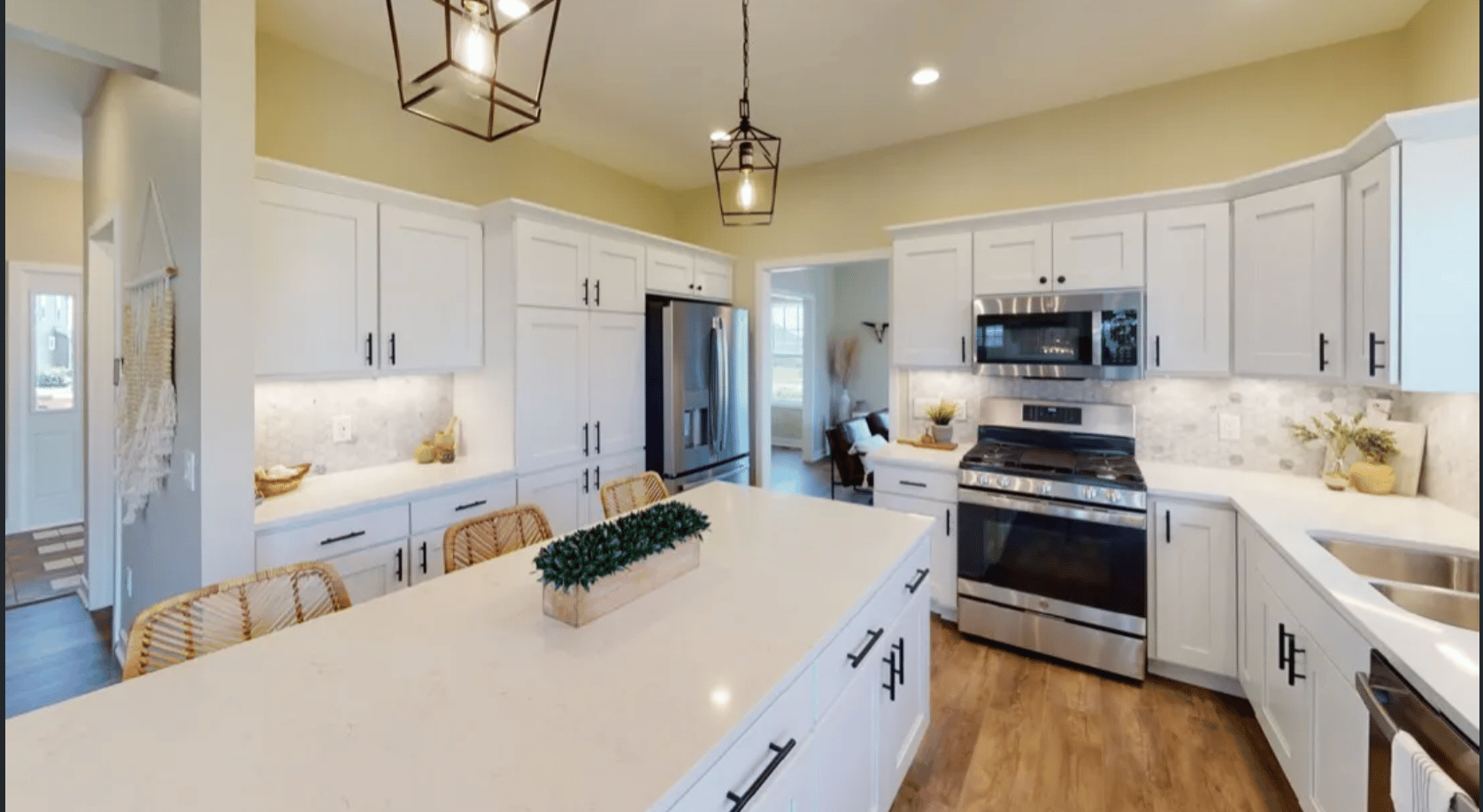

One of the exciting things about building a custom home is having choices. It can also be one of the hardest parts. By the time you start seriously thinking about building, you may have saved dozens of kitchens, floor plans, exteriors, and design ideas. You know what you like. The challenge is figuring out which of those ideas actually belong in your home.
So, what should you prioritize when building a custom home? Start with the decisions that will have the biggest impact on how you live in the home:
Finishes and smaller design details can come later. The goal isn't to fit every idea you've ever saved into one house. It's to figure out which ones should shape the home from the beginning.
It's easy to start with rooms. How many bedrooms? How big should the kitchen be? Do you want a home office? But there's another way to approach those decisions: think through an ordinary day in your future home.
Where does everyone enter the house? Where do backpacks, shoes, and coats land? Does your family tend to gather in the kitchen? Do you regularly have people over? Does someone work from home? Do you want separation between certain spaces, or do you prefer everything to feel connected? Those everyday details can tell you much more about what you need than a collection of inspiration photos.
A beautiful kitchen matters. But the better question is what you need that kitchen to do. The same goes for the mudroom, laundry room, garage, primary suite and the rest of the house. This is also where storage deserves more thought than it sometimes gets. A place for the things you use every day may not be the most exciting feature on a mood board, but it can have an enormous effect on how the finished home feels.
There will be plenty of time to think about countertops, flooring, fixtures and cabinet finishes. Early in the process, the bigger priority is getting the home itself right. How do the rooms connect? Where do you want privacy? Where should natural gathering happen? Does the layout make sense for the routines you just identified?
Those decisions are much harder to change later than a paint color. The property itself can influence them, too. The size and characteristics of the lot, views, privacy, sunlight and other site considerations can all affect how a home should sit and function.
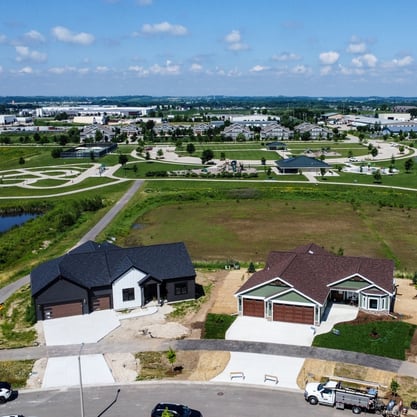
That's one reason you don't necessarily need to arrive at your first builder conversation with a finished floor plan. The plan should develop around the way you want to live and the place where you're going to build.
Prioritizing a custom home also means deciding where you want your investment to go. That's different from simply creating a list of everything you want and trying to squeeze it into a number afterward.
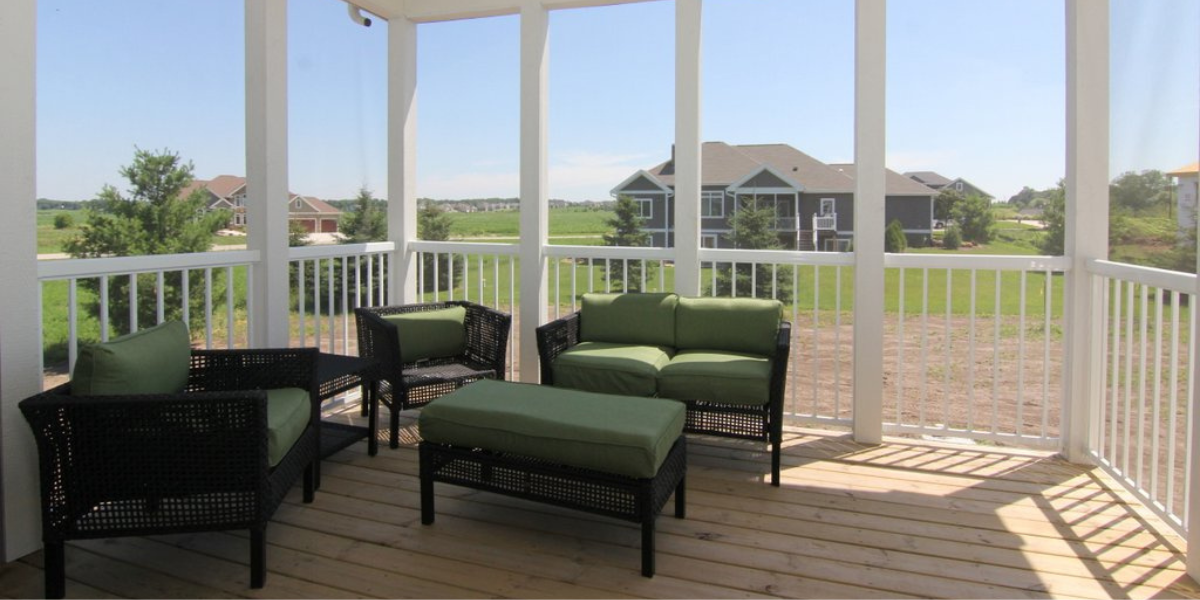
Maybe the kitchen is incredibly important to your family, while you're comfortable keeping finishes simpler somewhere else. Maybe you'd rather have a screened porch than additional square footage in a room you won't use very often. Another homeowner might make completely different choices. This is where separating must-haves from nice-to-haves becomes genuinely useful.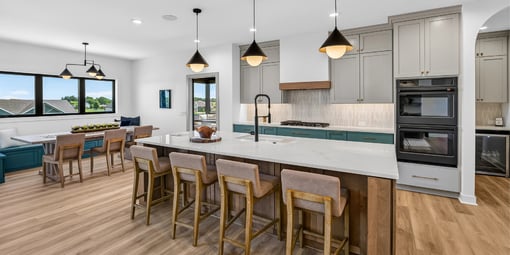
Your must-haves are the things that affect whether the home works for you. Nice-to-haves are the things you'd love to include if they make sense within the larger plan and budget. And those lists don't need to look like anyone else's. That's part of what custom means.
You're designing for the way you live now, but it's worth looking a little further ahead. You don't need to predict exactly what life will look like 15 years from now. You can, however, think about changes you already know are possible.
Will kids get older and need different kinds of space? Could working from home become part of your routine? Do you expect to stay in the house long term? Would flexible space be more useful than a room designed for one very specific purpose? Thinking ahead doesn't necessarily mean making the house bigger.
Sometimes it means making a room more flexible. Sometimes it's choosing a layout that can adapt. And sometimes it's simply making a decision now that would be difficult or expensive to change later.
At some point, you'll probably have more ideas than you need. That's okay. A custom home doesn't have to include every possible feature to feel custom. In fact, trying to make everything a priority makes it harder to identify what actually matters.
Go back to the questions you started with:
Those answers can start doing some of the editing for you. And that's also where working through your priorities with your builder can help. You don't have to arrive with every decision made. A good early conversation should help turn a long list of ideas into a clearer picture of the home you actually want to build.
There are countless decisions involved in designing a custom home. They don't all need your attention at once. Start with how you want the home to work. Get clear about your budget and the things that matter most. Think about the property, the floor plan and the decisions that will affect everyday life. The finishes will come.
For now, focus on building the foundation for a home that feels like it was designed around you.
Have a lot of ideas but aren't sure where to start?